
Learn about Matcha
Why matcha?
Matcha is green tea you drink whole. Growers shade the tea plants before harvest, and mills grind the leaves into a fine powder. You whisk that powder into water and drink the leaf itself, so you get more of the leaf than a steeped tea bag gives you.
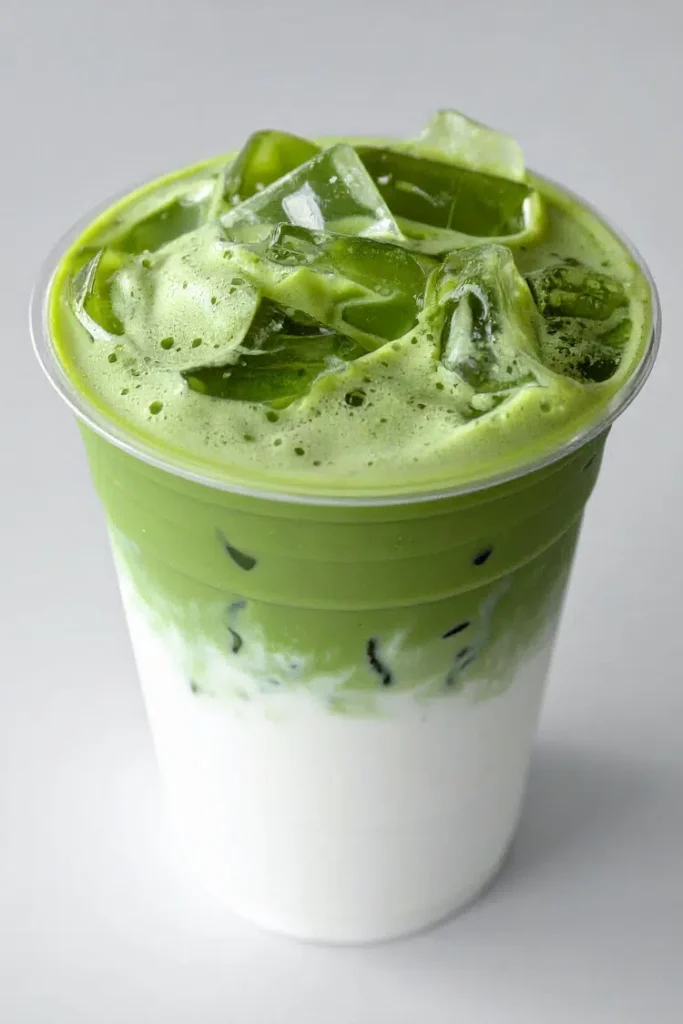
People in China and Japan have whisked powdered tea for centuries. You can keep it traditional with a bowl and a bamboo whisk, or pour it over ice and oat milk before a long session.
What’s in it
Caffeine. A 2 g serving, about one teaspoon, has around 40 to 90 mg of caffeine depending on the tea. An 8 oz cup of brewed coffee has around 95 mg.
L-theanine. Tea plants make this amino acid, and shading helps the leaves hold on to it. Researchers have tested L-theanine and caffeine together in small studies, with encouraging but mixed results for attention. Plenty of matcha drinkers describe the energy as smoother than coffee. Try it and see how it feels for you.
Catechins. Green tea leaves contain antioxidants called catechins, including EGCG. You drink the whole leaf with matcha, so a cup can hold more catechins than a cup of steeped green tea. The amount depends on the tea and how much you use. Scientists are still studying what catechins do in the body, and we won’t promise you a health result from a cup of tea.
Our matcha at Smash JTea
Smash JTea is the matcha brand from Smash JT, a former game tester and EverQuest Game Master who now makes YouTube videos about games. Our organic ceremonial-grade matcha starts with the youngest leaves. Our growers remove the stems and veins, then stone-mill the leaf into a bright green powder with a smooth, savory flavor.
How matcha compares
Matcha and coffee
We like coffee. We like matcha more. Most matcha servings have less caffeine than an 8 oz cup of coffee, and the flavor runs grassy and savory where coffee runs roasted. Try each on a long session day and keep the one that suits you.
Matcha and energy drinks or pre-workout
Check the label on your energy drink or gaming supplement. Many list 100 mg of caffeine or more per serving, plus sweeteners and flavorings. Our pouches hold one ingredient: organic matcha. Compare the caffeine per serving and pick what works for your day.
Matcha and green tea
Matcha is a form of green tea. Growers shade the plants for the last weeks before harvest, and the leaves respond with more chlorophyll. That shade gives matcha its bright color and helps it keep its L-theanine.
Producers steam and dry the leaves, then mill them into powder. You throw away the leaves when you steep green tea, and you drink them when you whisk matcha. A serving has about 4 calories and more caffeine than a typical cup of green tea, which has around 20 to 50 mg.
How to store matcha
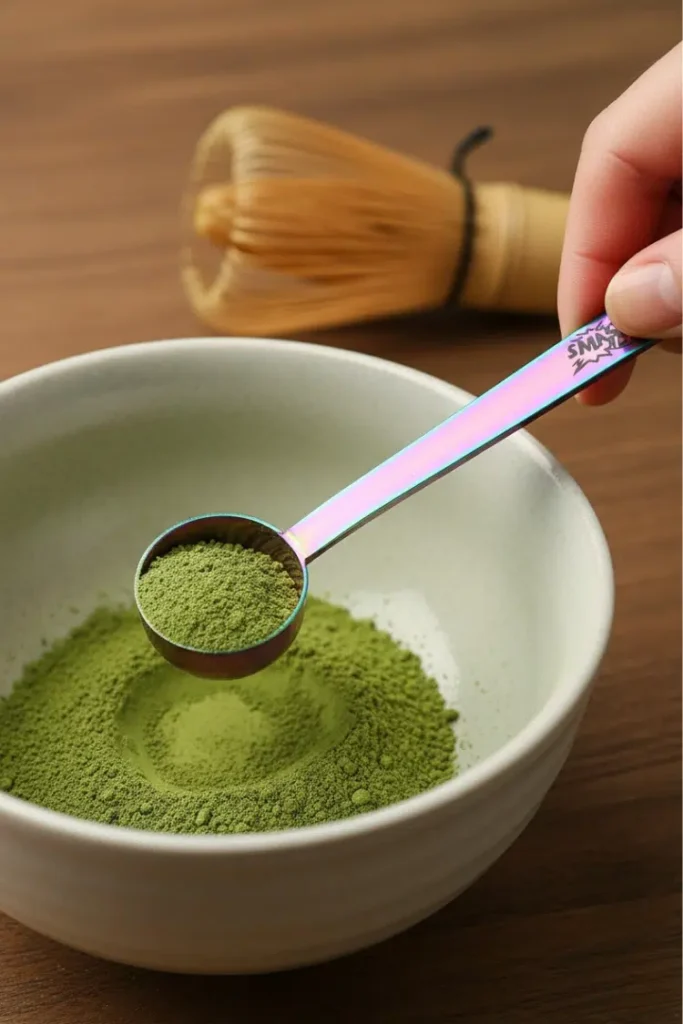
Light, heat, humidity and air dull matcha’s color and flavor. Seal the pouch tight after each use and keep it somewhere cool, dark and dry. The refrigerator works well. Let a cold pouch reach room temperature before you open it, so condensation stays out.
Keep your matcha away from strong smells, since the powder absorbs them. An unopened pouch stays at its best for up to a year. Once you open it, use it within one to two months.
Matcha myths
Myth: All matcha is ground green tea. Producers make matcha from shade-grown leaves with the stems and veins removed, then mill it fine. Grind regular green tea and you’ll get a different color and flavor.
Myth: Matcha tastes bitter. Good ceremonial matcha tastes smooth and savory when you whisk it at 160–180°F. Boiling water or low-grade powder brings out the bitterness.
Myth: Matcha has no caffeine. A 2 g serving has around 40 to 90 mg.
Myth: The greenest matcha is the best. A vivid color gives you a good clue about freshness and shading. Taste it before you decide.
Myth: Organic and quality mean the same thing. Organic rules cover how growers raise the tea. Grade depends on the leaf, the harvest and the milling. We care about both, so Smash JTea is organic and ceremonial grade.
A note on caffeine
The FDA cites 400 mg of caffeine a day as an amount not generally associated with negative effects for healthy adults. If you’re pregnant, nursing, taking medication or sensitive to caffeine, ask your doctor before you add matcha to your routine. This page shares general information and does not replace medical advice.